
How to Set Goals That Grow Your People and Your Equity Value

The Big Idea
It’s hard to drive breakout results by playing it safe. Peak performance happens in the stretch zone. That’s the space beyond comfortable, where goals are hard enough to demand new thinking but achievable enough to inspire belief. For PE-backed leaders, this is where the biggest growth—in people and equity value—happens.
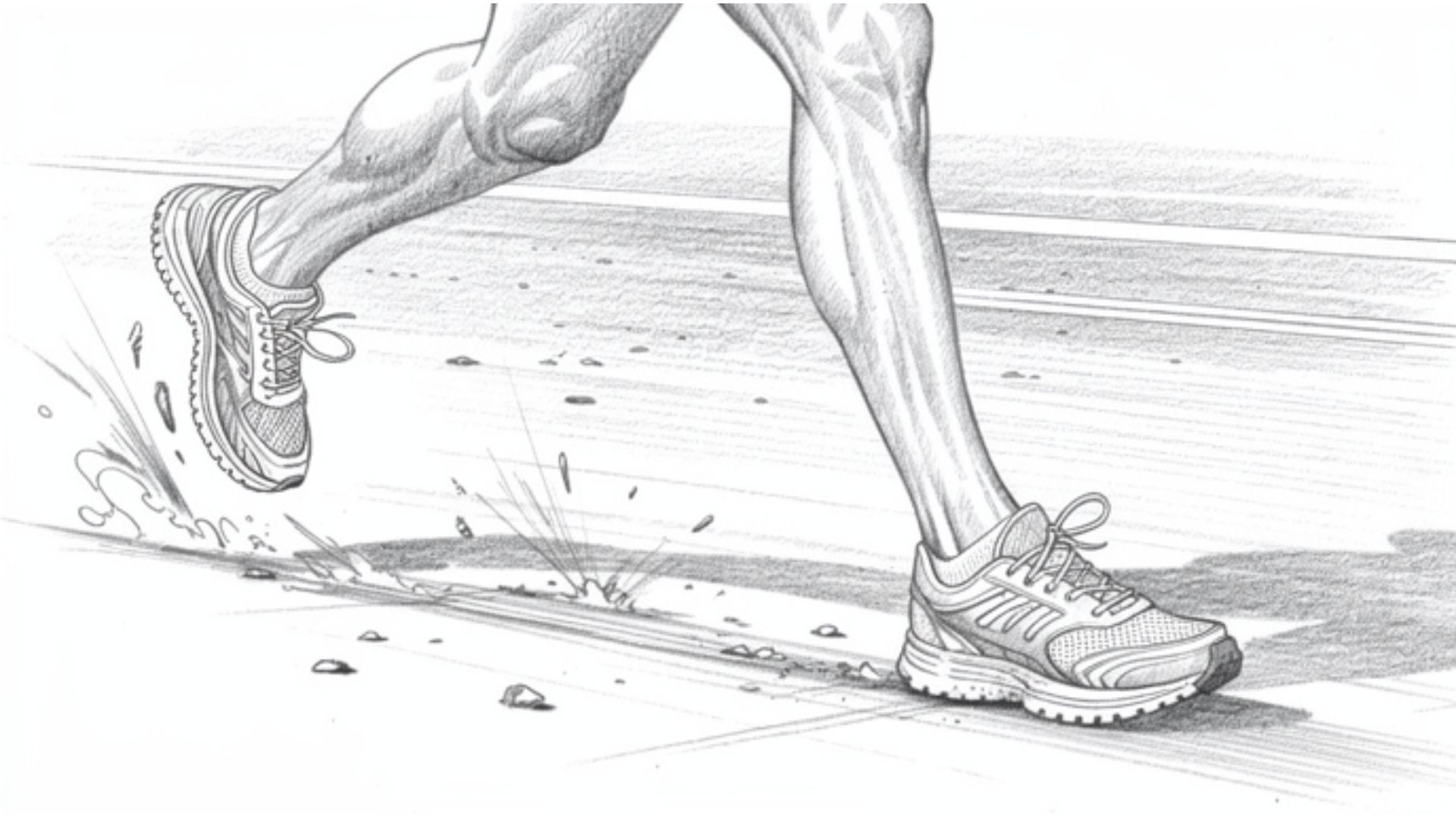
In 2019, Kenyan distance runner Eliud Kipchoge did what most experts said was humanly impossible: he ran a marathon in under two hours. Think about that for a second. 26.2 miles at a pace of 4 minutes and 34 seconds per mile. For nearly two straight hours. If you’ve ever run one mile at even 1.5x that pace, you know: it’s an outrageous feat.
What made it remarkable wasn’t just the time on the stopwatch. It was how he approached it.
Kipchoge’s run was, in ways, a modern engineering marvel. His team optimized every variable to the razor’s edge: laser-controlled pacing with rotating pacers, aerodynamic formations, customized shoes, and precision nutrition. Every factor was stretched to the limit. Achieving the goal would demand total discipline, ruthless focus, and more creativity than anyone had brought to distance running before.
And when he crossed the line in 1:59:40, Kipchoge didn’t just set a record. He stretched and reset the limits of human performance. What had been considered unthinkable on Friday was proven possible by Saturday morning.
The Power of the Stretch Zone
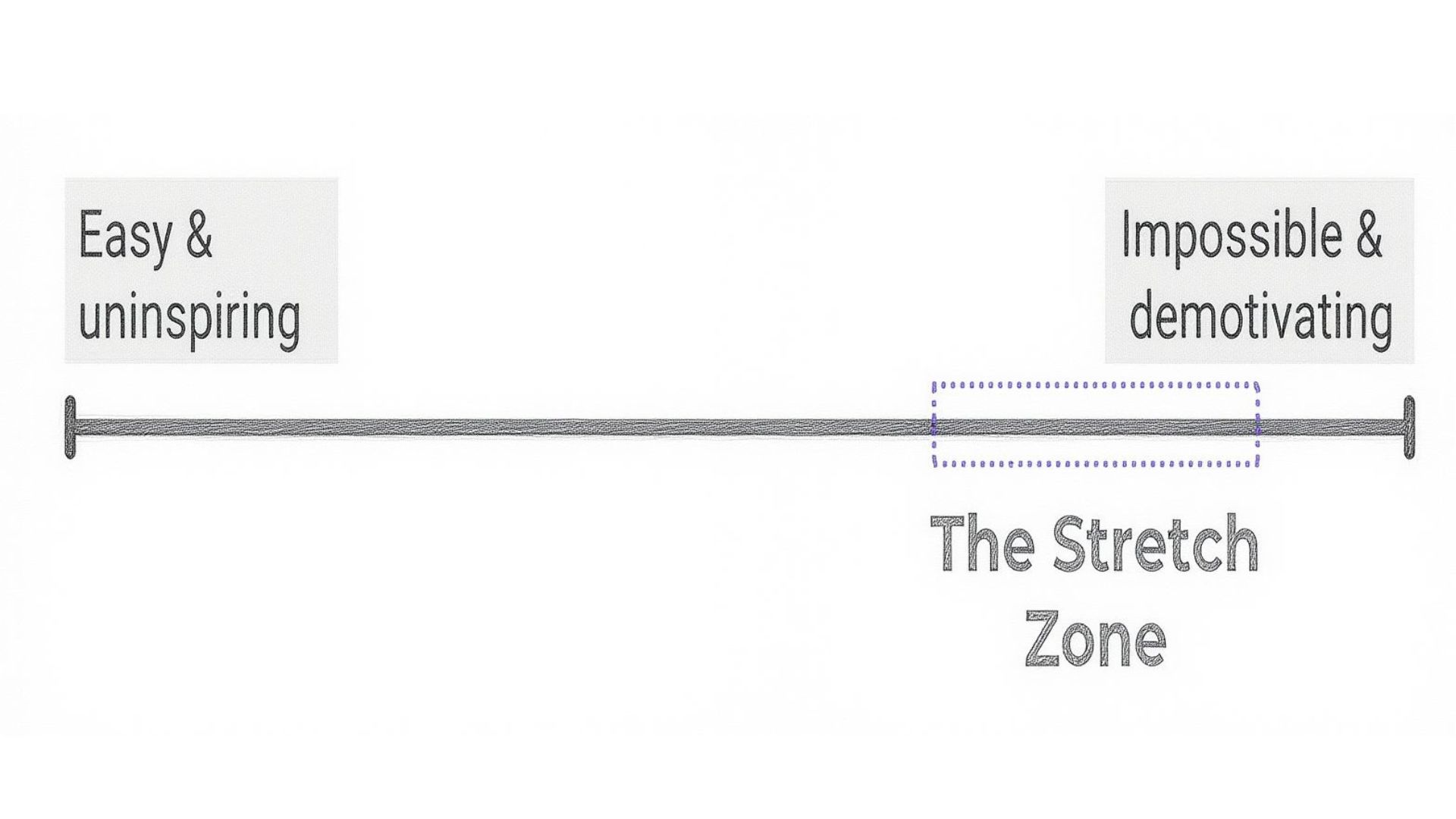
This is the sort of thing that’s possible when you operate and set goals in the “stretch zone”—the narrow band where a goal sits well above your comfort zone, but just shy of delusion. It’s where goals are big enough to demand your absolute best, yet not so lofty that they defy the fundamental laws of physics.
Kipchoge may be a once-in-a-generation athlete, but the moral of his story is universal. The power of operating in the stretch zone extends far beyond elite sports. In running and leadership, the same principle applies: the best results happen in the stretch zone.
As leaders, set the bar too low and nothing meaningful changes. People hit the target, but they don’t get better. They cling to old habits, standards drift downward, and your return on talent shrinks. Sure, there’s a time to help your team notch a quick and easy win. But if you make this your norm, your company will never achieve anything extraordinary.
But on the flipside, setting the bar unreasonably high is also problematic. Impossible targets can kill belief and effort. When goals seem outright unattainable, people disengage, stop putting in extra effort (“What’s the point if I’m never going to hit the target anyway?”), and start protecting themselves. After enough misses, no one believes the targets or the leader setting them.
The stretch zone we’re talking about lives in between these two extremes. It’s where goals are hard enough to demand people’s best, but still believable enough that they lean in and commit. It’s where we want to be operating as private equity leaders.
The Science Behind the Stretch
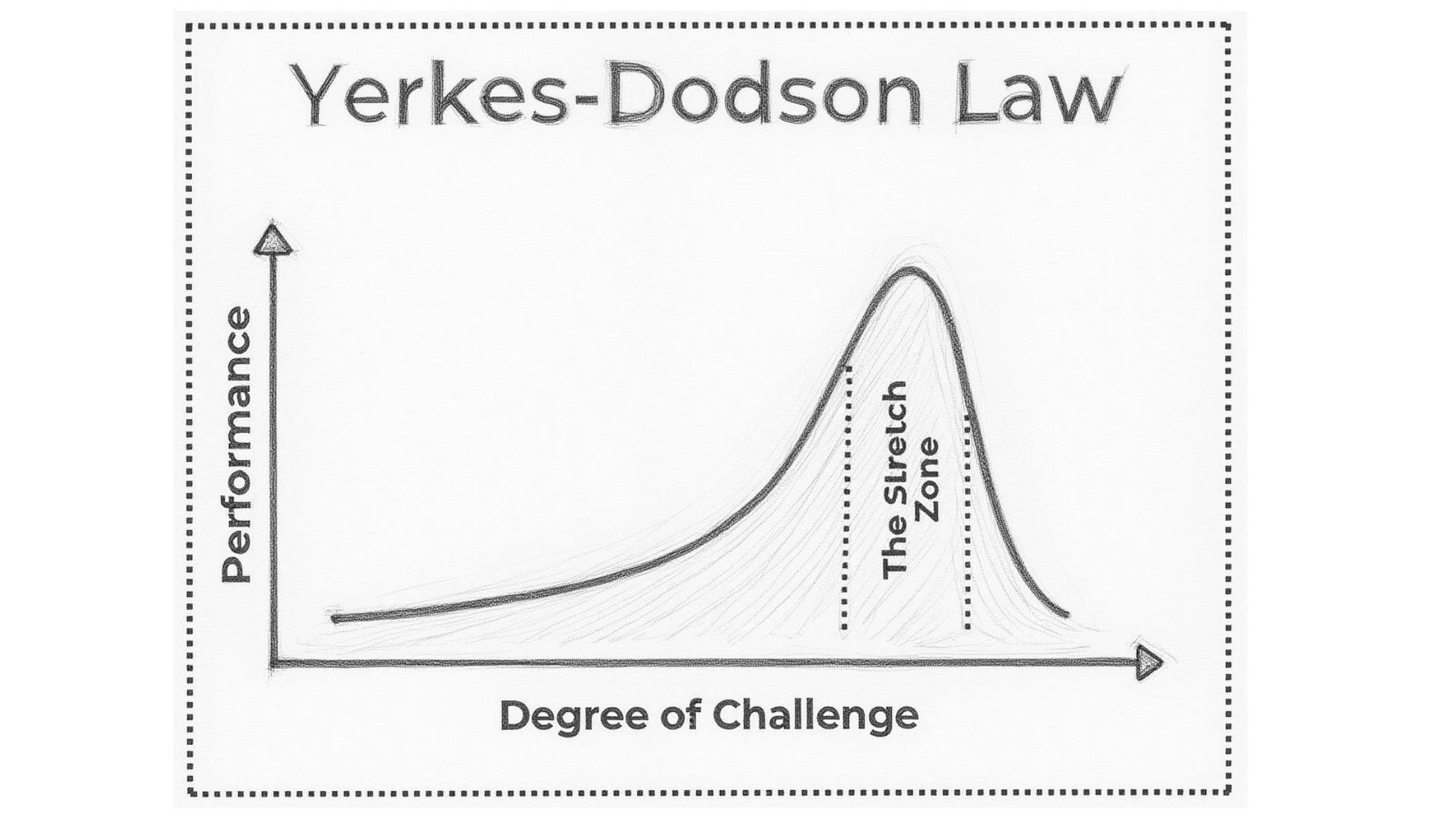
Psychology backs this up. The Yerkes-Dodson Law states that performance follows an inverted U-shaped pattern when we map goal stretchiness to performance. It shows that when goals aren’t stretchy enough, people coast and underperform their potential. But setting goals that are too stretchy can also negatively impact performance. The peak of the curve—the middle of the inverted U—is the happy zone where performance spikes.
The science of flow goes deeper. Psychologist Mihály Csíkszentmihályi—widely regarded as the “father of flow”—found that people perform at their peak and achieve that coveted “flow state” when the challenge level of a task is beyond their current ability. In practical terms: to bring out the best in your team, the goal should be set beyond what the team already knows how to do, which will require creativity and focus. But it shouldn’t be so hard that it creates confusion or panic.
That’s the stretch zone.
As you’re setting goals on your team, you’ll know you’re in the zip code of the stretch zone when your team says something like: “Gee, this is going to be hard, and I don’t know exactly how we’ll get there. But let’s get after it and figure it out!”
The Fourteen Foot Jumper
Here’s how I used to explain this to my teams when we were setting our quarterly or annual goals:
Think basketball. We’re not here to set layup goals. You’ll make the shot, sure—but it won’t stretch you, help you improve, and it won’t win games. Teams don’t win championships shooting nothing but layups.
But we also shouldn’t be setting goals that are behind-the-back, half-court, blindfolded heaves either. Ones that are excessively high degree-of-difficulty. Belief will evaporate as the misses pile up.
As we set our goals, what we’re aiming for is the 14-foot jumper with a hand in your face. It’ll be tough. It’ll require skill and focus, and a little creativity when the defender closes in. But it’s still a shot we want to take, and it’ll make us better in the process.
That’s the stretch zone: goals that are hard enough to demand focus and skill, but achievable enough that you want the ball.
Why This Matters to PE-Backed Leaders
Let’s zoom out and consider: why does pushing into the stretch zone matter so much in PE-backed companies? Because the performance bar is high, timelines are compressed, and the margin for error is thin. Setting comfortable goals—hitting layups—won’t generate the type of outperformance your investors are looking for. To excel as a leader of PE-backed companies, you must make the stretch zone your operating standard.
But to thrive in the stretch zone, you can’t simply push your team harder. You have to rethink how the work gets done. Let’s think back to Kipchoge’s record-breaking run. He didn’t break two hours by “trying harder.” He broke it by changing how he and his team worked. That’s the exact same shift stretch goals force inside a business.
What Stretch Goals Actually Do
Embracing the stretch does a few specific things that boost performance:
Stretching requires new plays. Kipchoge had to rethink pacing, redesign training, and even reinvent his shoes. In your world, stretch goals push teams out of “more hours” mode and force them to get creative about how to get there.
Stretching kills distractions. Kipchoge stripped out every non-essential detail to shave seconds off his time. Stretch goals do the same for companies. They require you to eliminate pet projects and vanity work and to redirect energy and resources toward those stretch goals.
Stretching speeds up team growth. To hit 1:59, Kipchoge had to improve his discipline, efficiency, and technique. Stretching will have the same effect on your people. Stretch goals require new skills, sharper execution, and higher standards. Your team’s capability and discipline must rise to meet the higher standards.
Stretching attracts ambitious people. Kipchoge’s attempt brought together the world's best pacers, coaches, and scientists. Ambitious business goals have the same effect. They attract ambitious A-players and create energy and momentum among them that modest targets never will.
In Ascend, we talk about wearing The Challenger Hat. It’s that leadership mode where we push, stretch, and challenge our people—all in the interest of helping them achieve their potential, and enabling the company to achieve its potential. Challengers reside in the stretch zone.
So take a hard look at the goals you’ve set for your team this year. Are they truly in the stretch zone: ambitious enough to demand your team’s best, yet still achievable enough to inspire belief? That’s where the magic happens. It’s where teams grow faster and enterprise value takes off.