
How to Be a Steady Leader During these Crazy Times
The Big Idea
The volatility that most PE leaders are feeling has become the new normal. In this environment, staying composed isn’t optional. It’s the job. This article shares six practical ways to help you stay steady, think clearly, and keep your team grounded while everything around you is moving.
At the start of each of our monthly Leader Labs in the Ascend program, we open with a one-word check-in: “If you could describe the past month in one word, what would it be?”
Last month, one phrase kept coming up, and was met with lots of head-nodding: roller coaster.
People chuckled, but it was that tired, knowing kind of laugh that says, “You have no idea.”
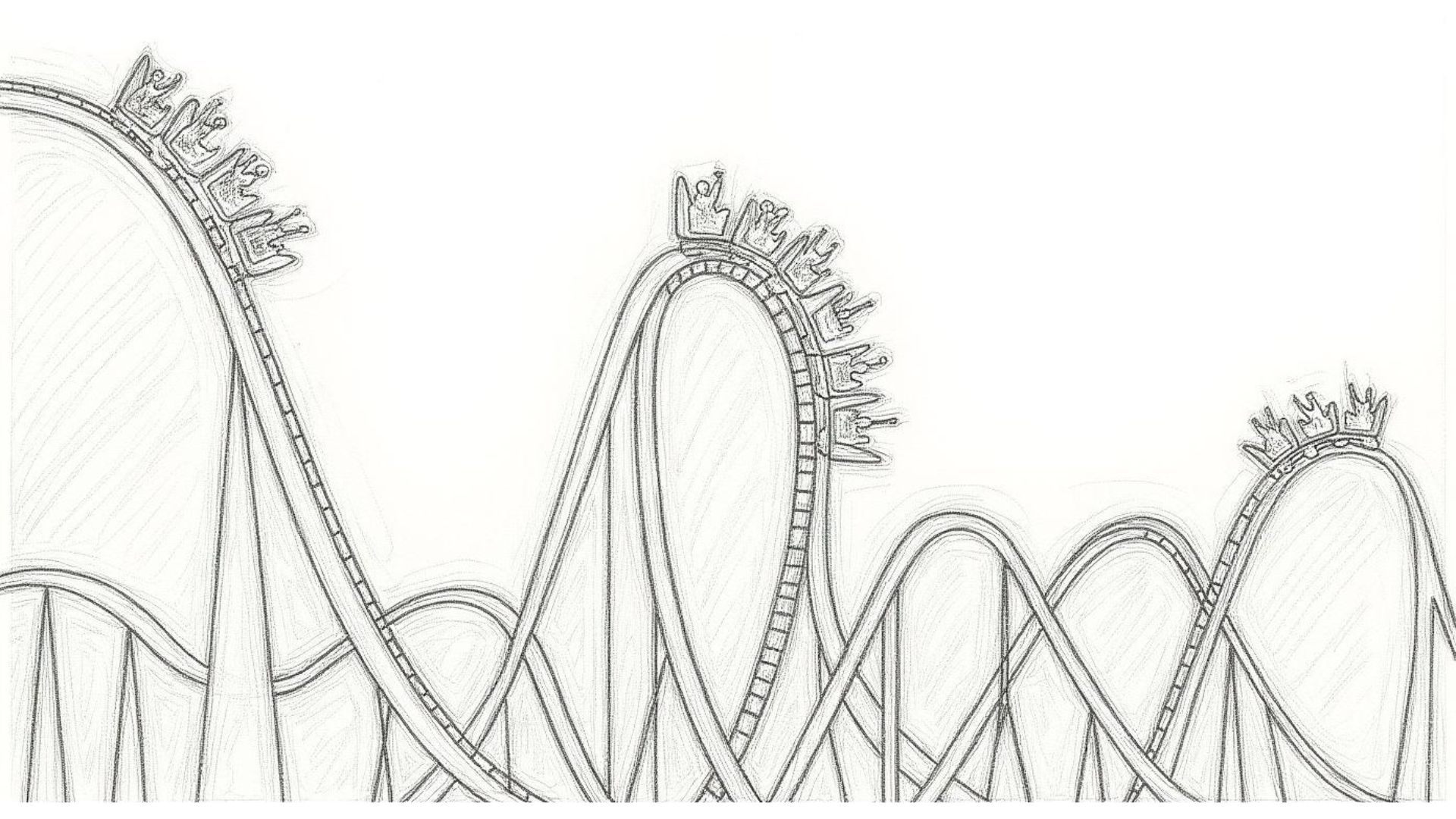
Leading a PE-backed business right now really does feel that way — fast climbs, sudden drops, and just when you think you’ve found a steady stretch of track, you’re whipped into a corkscrew. Some days it feels like the whole thing might fly off the rails.
Sound dramatic? It’s not. We’re living and leading in some crazy times:
The economy is still running hot in some sectors but cooling fast in others. Interest rates have stayed higher for longer than anyone expected, and the cost of capital continues to squeeze margins and weigh on PE returns. Consequently, PE investors are demanding more discipline, and are growing increasingly impatient for growth.
Meanwhile, global supply chains remain unpredictable. New regulations, trade policies, and political uncertainty keep changing the rules of the game. And just as leaders start to adapt, OpenAI or some other AI player ships a new release—and suddenly it feels like your whole industry just changed overnight.
Let’s stop pretending this is just a phase. It’s not. This is the new reality of this VUCA—volatile, uncertain, complex, ambiguous—world that many PE-backed executives are operating within. Case in point: a recent study by The Center for Creative Leadership’s (Reinvention Through Disruption) study says the majority of teams feel like they’re operating in ongoing, relentless disruption rather than in short bursts of crisis.
Put simply: volatility isn’t just a phase. It’s the new normal. For PE leaders, it’s become the job.
This is why composure is such an important—and often undervalued—leadership trait. It isn’t sexy, and doesn’t grab headlines like savvy deal-making or bold vision. But in times like these, it arguably matters more. Emotional steadiness has always been valuable, but it’s no longer a nice-to-have. In calm times, it’s a strength; but in turbulent times like now, it’s a necessity. Here’s why:
When the roller coaster is whipping your team around, people instinctively take cues from their leader as to how worried they should be and how they should react. A leader who stays level, stays centered, and keeps moving forward creates confidence. A leader who wobbles or freaks out can spread panic.
We’ve all seen examples of what happens when leaders lose composure amidst chaos. You may remember this high-profile example: In 2017, Uber was facing pressure from every direction—lawsuits, cultural backlash, and regulatory fights. Then a dashcam video surfaced of CEO Travis Kalanick arguing with one of his own drivers about fares. It was a short clip, but it told a bigger story: a leader who was letting the pressures of the moment get the best of him. Within months, investors pushed him out. A company already in turmoil now had a leadership crisis on top of it.
Moments like that remind us that true leadership is defined by how you show up when the pressure hits. So how do you stay steady as you’re whipping around the rollercoaster track? Here are six practical ways to stay composed when the pressure’s on:
Stay anchored to your purpose.
In the Ascend program, we help leaders get clear on their bigger “why”— the deeper reason they’re doing all this. It’s not about writing hollow mission statements or setting lofty ideals. Clarifying your purpose is about getting crystal clear on the impact you’re committed to making as a leader.
Your purpose is the thing you stay anchored to when everything around you is trying to throw you off-course. When the going gets tough, purpose gives you orientation. It reminds you what all the hard work is for — who you’re doing it for, and what difference you’re here to make. It stops every bad day from feeling like a disaster and every setback from feeling personal. It keeps you focused on what you’re really here to do.
Take care of yourself.
It’s hard to stay level and lead well when you’re running on fumes. When the pressure intensifies, most of us do the opposite of what helps: we sleep less, skip meals, and drop workouts so we can focus on our work. It feels productive, but that approach can quickly backfire.
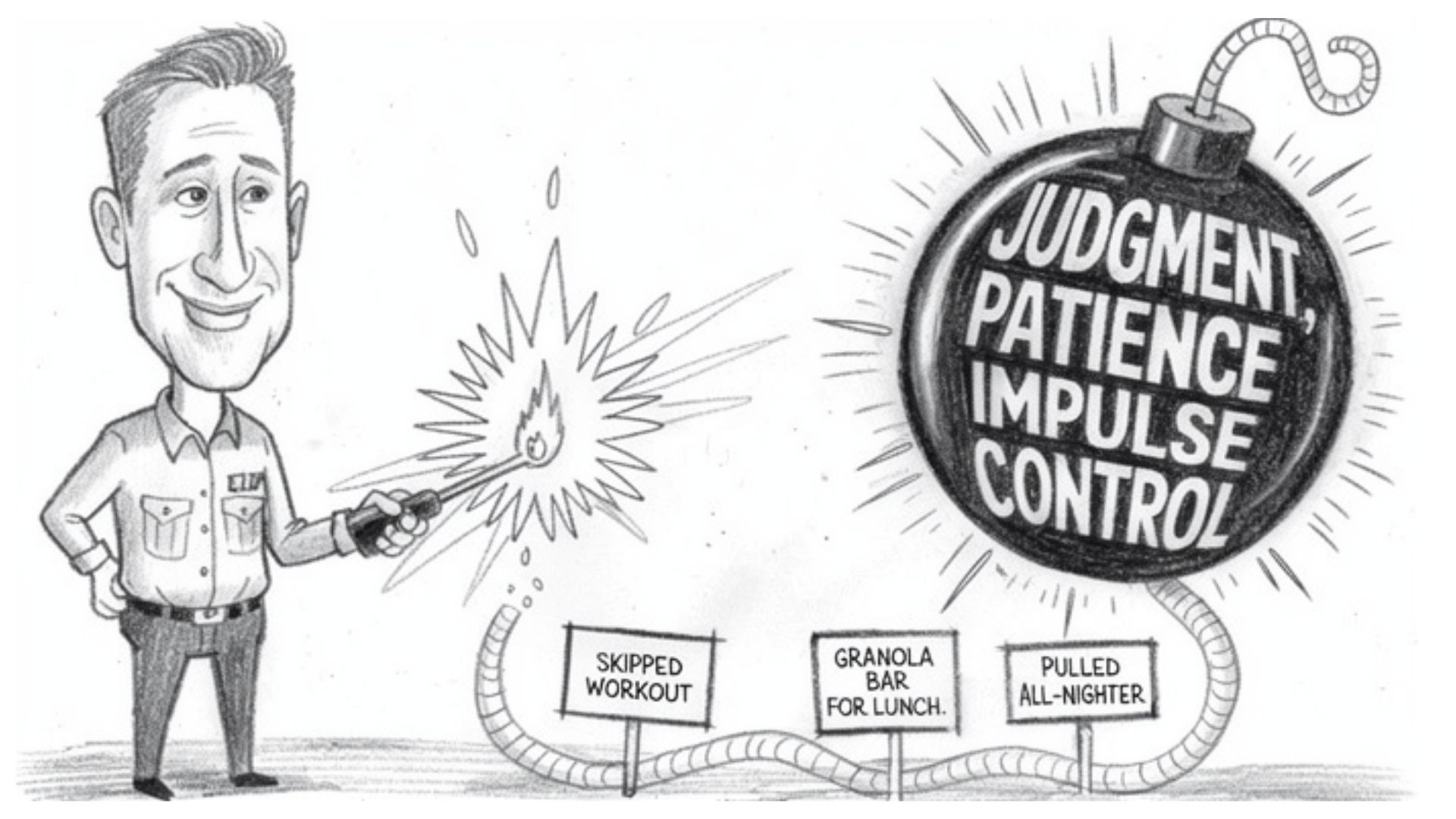
When you don’t take care of your basic needs, your judgment, patience, and impulse control all take a hit. So take care of yourself. Get enough sleep. Eat real food. Move your body. Take real breaks. It sounds basic, but it’s not indulgent. It’s what keeps you clear, steady, and effective when things get tough.
Embrace the ride.
If you’re waiting for the chaos to pass before you can enjoy the work, you’ll be waiting a long time. Some quarters will be hard. Others will be harder. That’s the job.
A fulfilling career doesn’t come from avoiding or escaping the chaos. It comes from learning through it. Those ups and downs are the nature of leading in PE. The real reward isn’t found in finally reaching calmer waters someday. It’s in getting stronger through the chaos. Every setback, every tough quarter, every stretch moment is an opportunity to grow as a leader and as a person.
Shift your perspective.
How you see a situation shapes how you deal with it. When you learn to look at stress differently, it starts to lose its grip. Psychologists call this cognitive reappraisal: the ability to change how you think about what’s happening so you can respond more effectively. The same challenge can feel like a threat or an opportunity, depending on the frame you choose.
Leaders who view volatility as something they “have to” deal with will feel drained. Leaders who see it as something they “get to” take on—a chance to learn, grow, and prove themselves —are more likely to approach it with more energy and creativity. The difference isn’t the situation. It’s the story you tell yourself about it.
Breathe.
When stress spikes, your body reacts before your brain does. Your heart rate rises, muscles tense, and breathing shortens. You can’t think clearly or lead effectively when your body’s in overdrive.
The fastest way to steady your leadership is to steady your breathing. Slow, deliberate breathing tells your body to calm down. It slows your heart rate, reduces stress hormones, and signals to your brain that you’re safe. In Ascend, we teach a tool leaders can fall back on during stressful moments called BAER — Breathe, Acknowledge, Explore, Respond. The first step is always to breathe. Regaining control of your breath helps you regain control of your emotional state so you can work through things.
Don’t cut out the good stuff.
When the pressure ramps up, many executives make the same mistake: they work even harder and drop everything that brings them joy. They cancel dinners, skip workouts, and stop doing the things that refill their tank. It feels like a more productive response to the demands of being an executive in turbulent times, but it often has the opposite effect.
Fun and recovery aren’t distractions. They play an important role in resetting your nervous system and restoring your perspective. The tougher things get, the more you need something that reminds you life exists beyond the next deal or board meeting.
* * * * *
One final thought: I get why so many leaders describe leading in this environment as a roller coaster. It feels that way most days. But I’ve never loved the metaphor because it implies you’re just strapped in and along for the ride, with no say in where you’re headed.
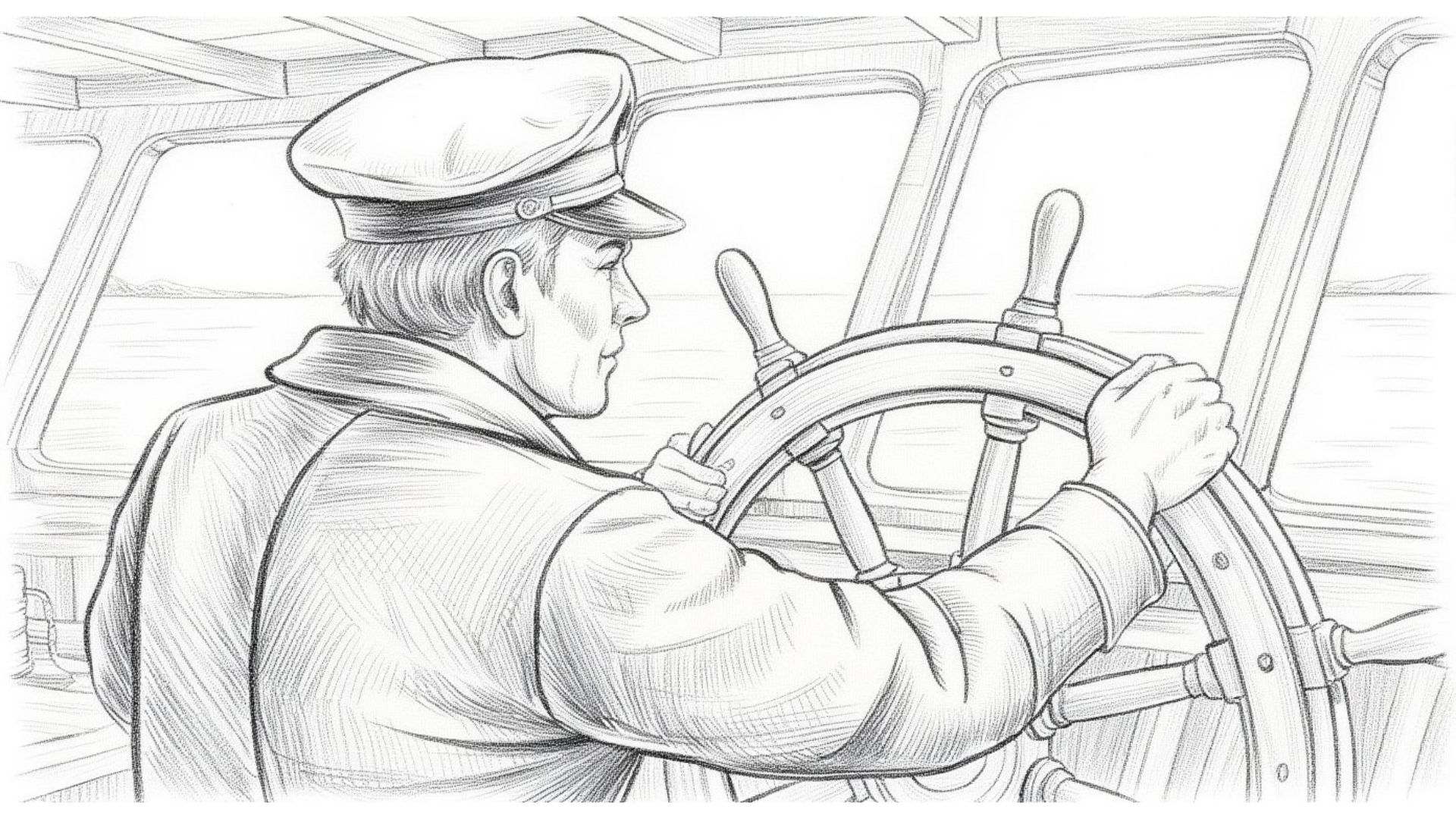
Consider a more empowering metaphor: you’re the captain of a ship in rough seas. The waves are high and the wind unpredictable, but you still have the wheel. You can’t control the weather, but you can control how you steer through it. That mindset doesn’t just feel better. It is way more empowering and gives you back your agency.